
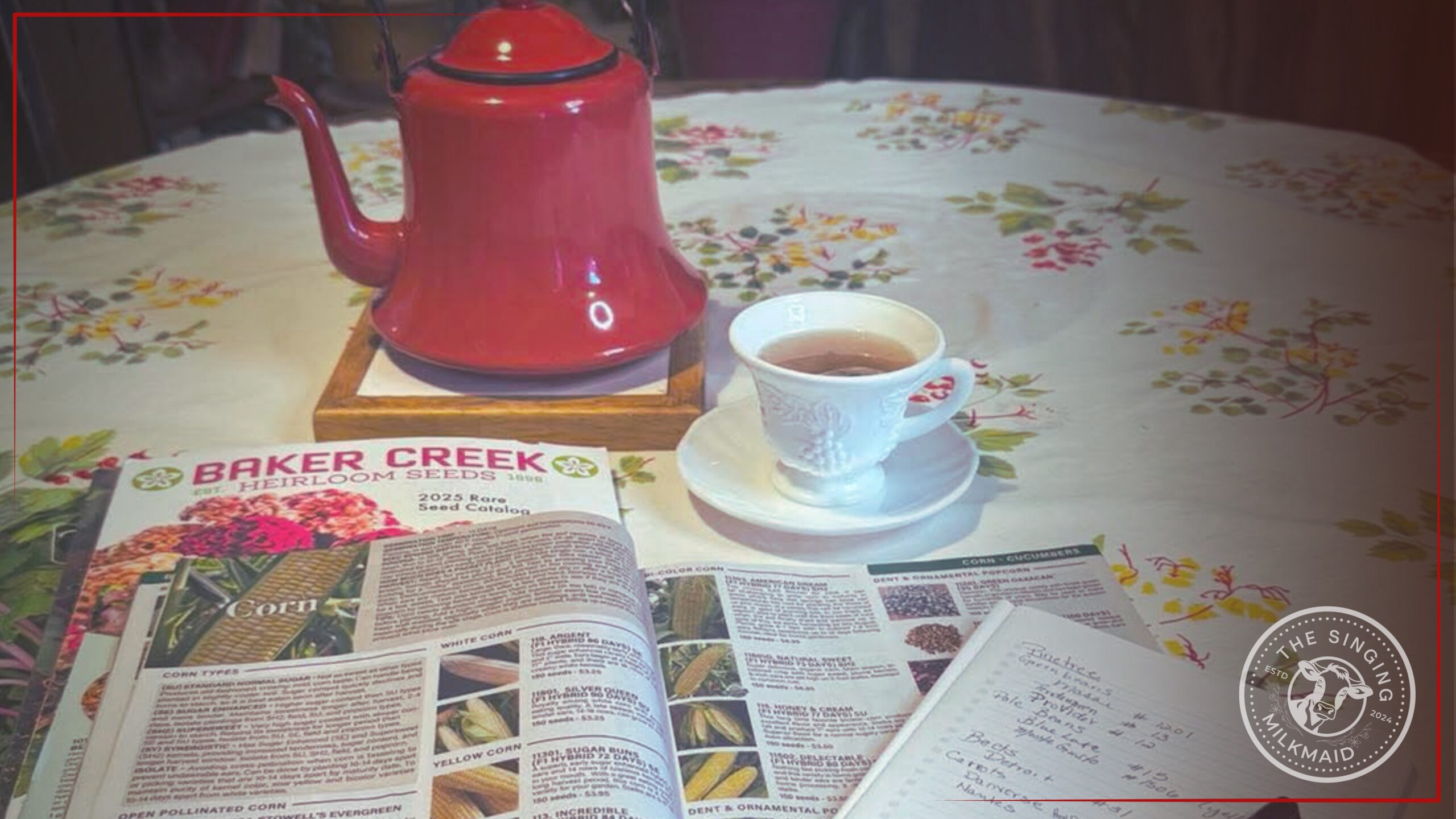
It’s Seed Ordering Time: A Guide to Planning Your Vegetable Garden
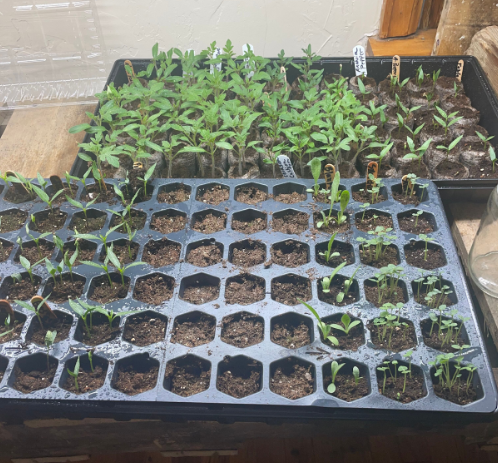
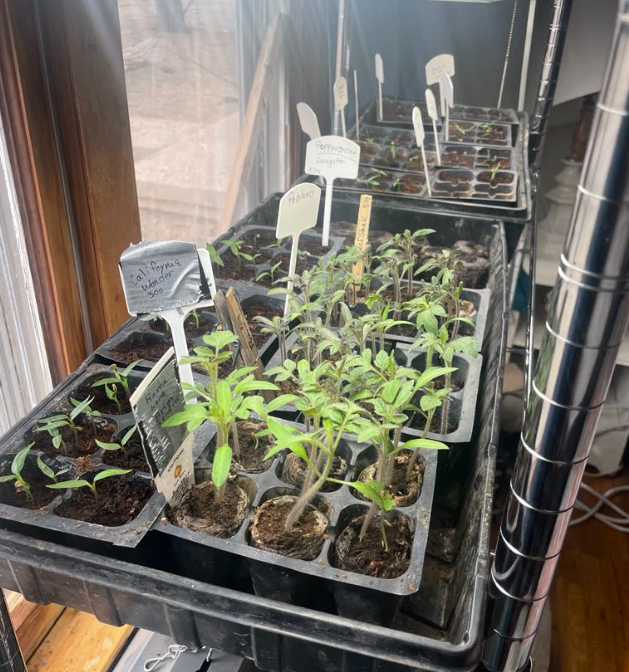
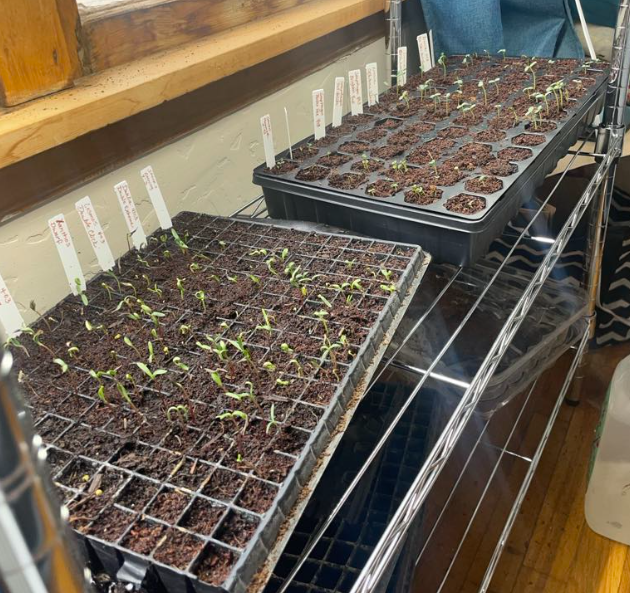
As spring approaches, it’s time to start thinking about ordering seeds if you’re planning to grow your own seedlings. Oh, the possibilities! With so many options available, it can be tempting to try to grow everything at once. However, the reality is that not everyone can afford to order every seed they desire. To help narrow down your choices, here are some factors to consider.
1. What Do You Enjoy Eating?
First and foremost, consider which vegetables you and your family enjoy eating and how much of each you consume. Personally, I love a wide variety of vegetables—okra, radishes, Brussels sprouts, cabbage, spaghetti squash, corn, and more! However, I’ve learned from experience that not every vegetable is worth growing for my household.
For instance, I planted okra one year, but I was the only one who enjoyed it. While I managed to freeze some, a lot of it ended up going to waste (or the compost pile). Corn requires a significant amount of space, consistent watering, and nutrient-dense soil. Although we had marginal success, my husband, Cam enjoyed so much fresh corn during his childhood that he doesn’t particularly crave it anymore.
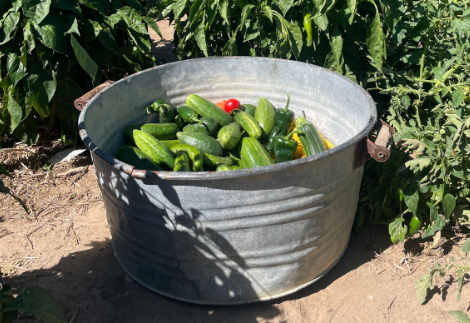
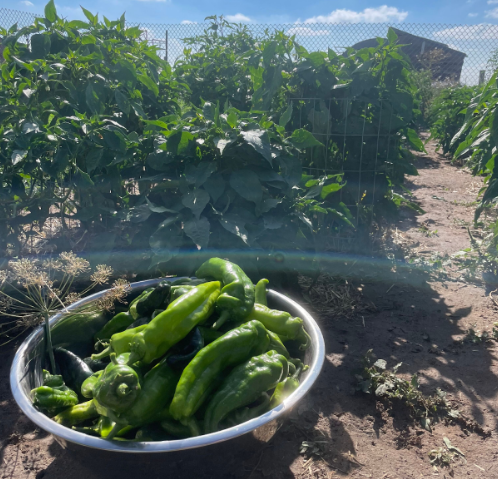
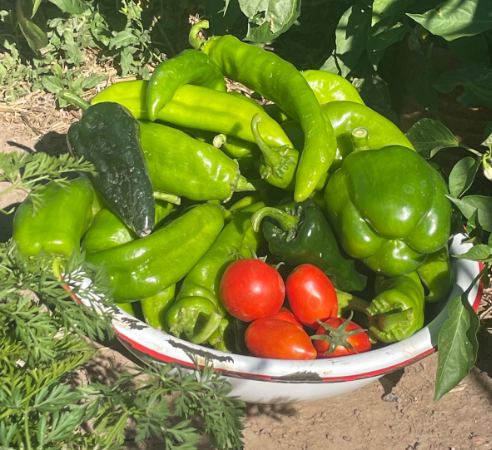
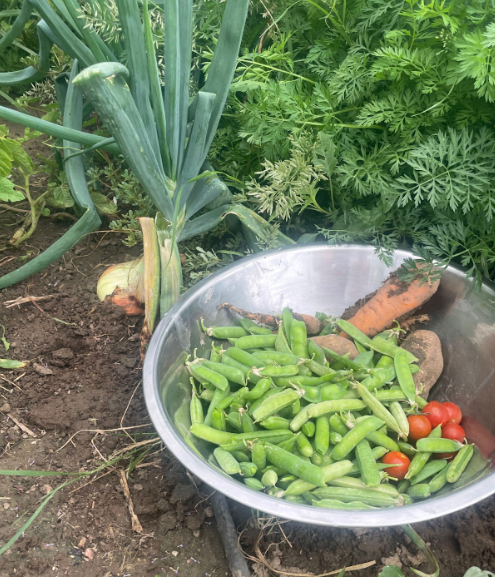
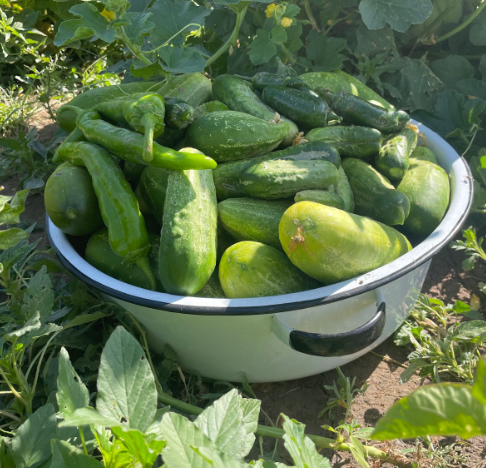
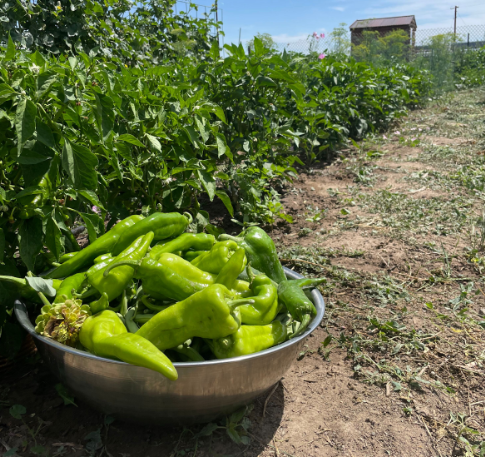
I recommend starting by looking at the products you frequently buy and have in your pantry. This way, you can focus on growing and preserving vegetables that directly contribute to reducing your grocery bill while ensuring you have cleaner, homegrown options. For us, this includes various peppers, tomatoes, green beans, onions, peas, cantaloupe, squash, carrots, and cucumbers. This year, I plan to grow pepperoncini peppers specifically for pickling, as that’s a staple we buy often.
2. Understand Your Pest Management Needs
Let’s talk about the Brassicaceae family, which includes cabbage, kale, and Brussels sprouts. These vegetables tend to attract a different set of pests, so it’s essential to do your research on how to manage them effectively. I personally have not had success with these vegetables.
3. Will You Be Preserving Your Harvest?
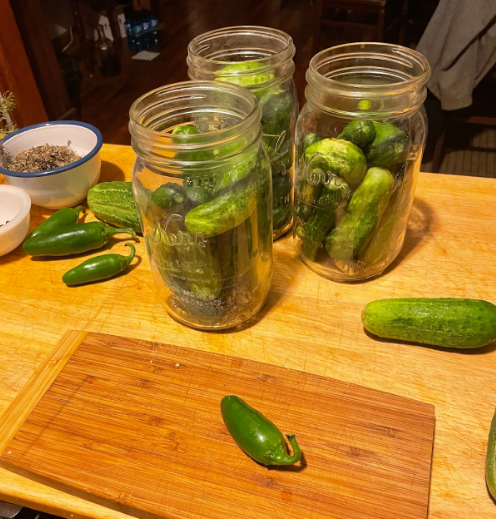
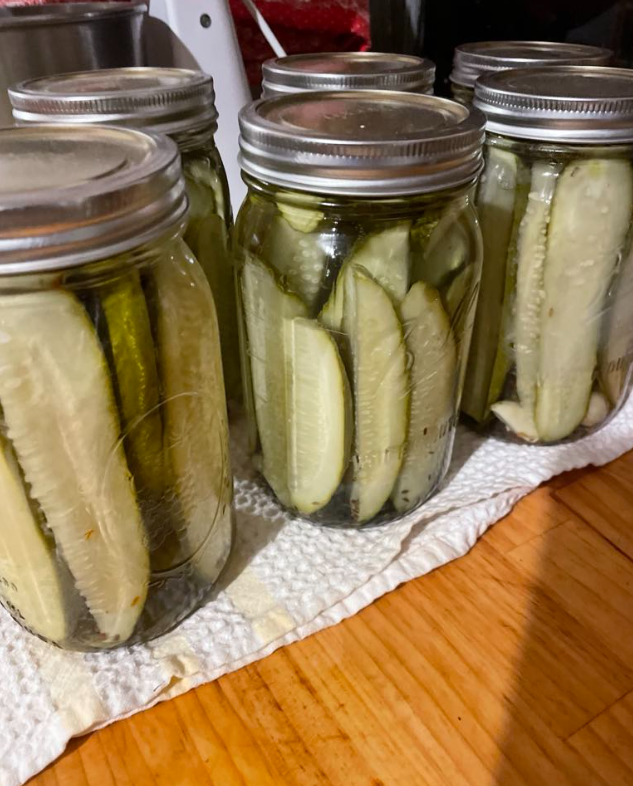
If you plan on canning, drying, or freezing portions of your harvest, you’ll need to plant more to account for this. But how much should you plant? You can find charts that help determine the yield of individual plants. For example, I usually plant three 30-foot rows of green beans because I aim to preserve over 50 quarts of green beans each year, either frozen or canned. This allows us to enjoy one quart of green beans per week throughout the year. We also plan to have at least one pint of homemade salsa per week.
4. Do You Have Storage Solutions for Root Vegetables?
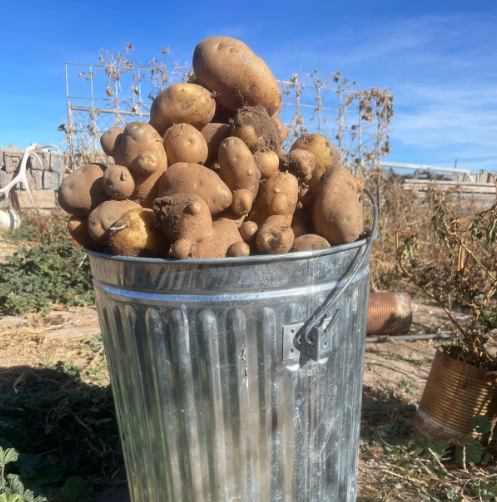
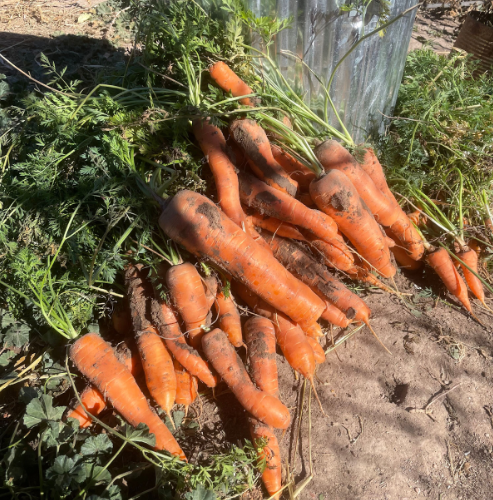
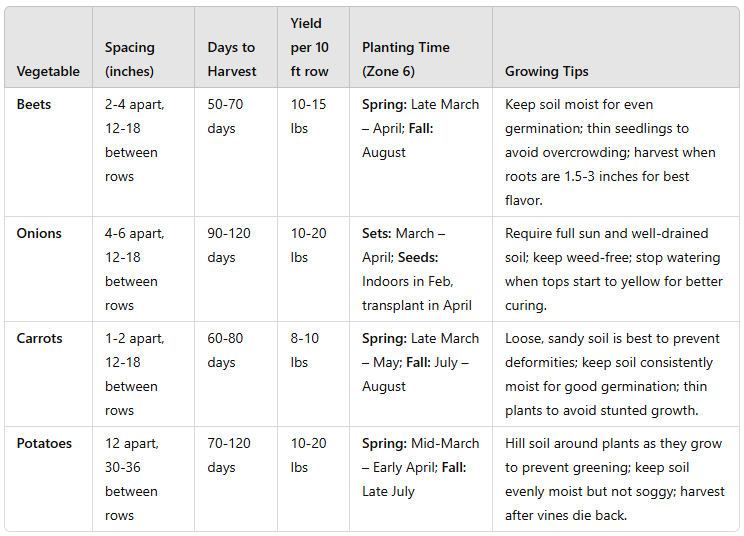
Consider how you will store root vegetables. It’s crucial to have a plan, as you can only eat so many potatoes, carrots, and beets in a short time. We don’t have a root cellar, so I simply leave the carrots in the garden, covered with straw. Our mild temperatures make this method viable. For potatoes, we store them in a dark, cool closet, regularly sorting through them to ensure they remain fresh.
5. Assess Your Garden Space
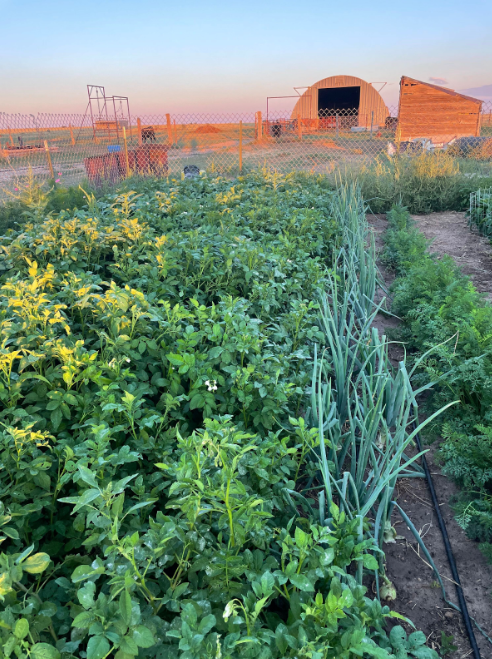
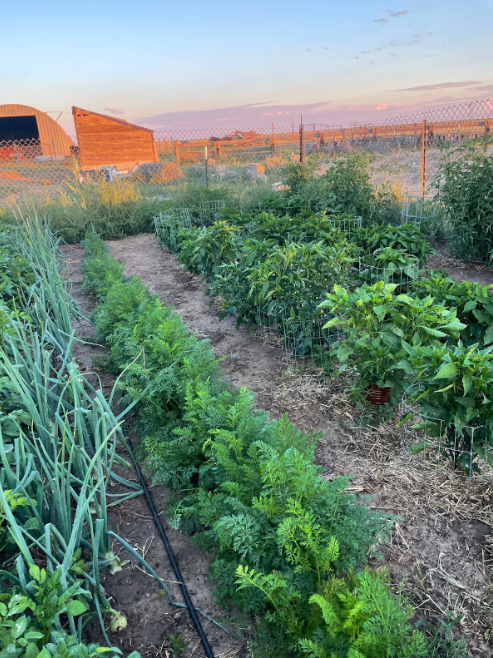
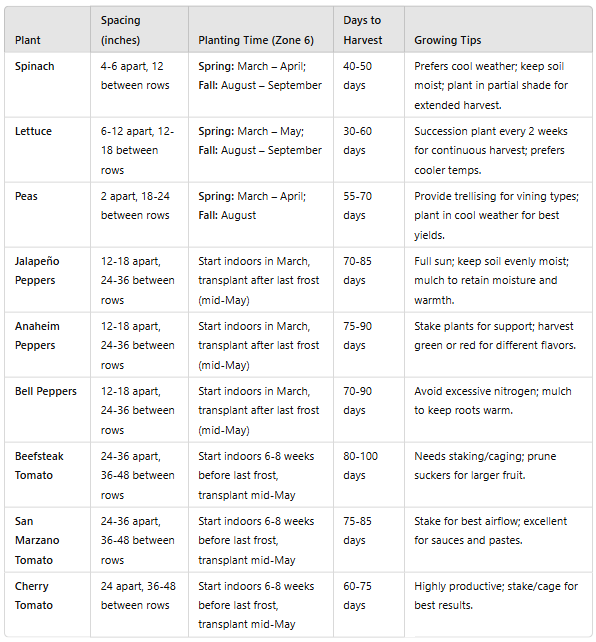
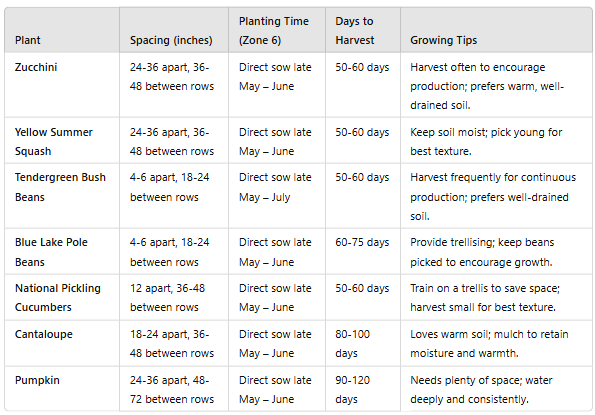
Finally, take stock of how much space you have in your garden. Some vegetables can be grown vertically to save space, while others cannot. This year, I planted a row of cantaloupe and used a cattle panel as a trellis. This has saved so much space and has made harvesting much easier. I’ve also trellised cucumbers for three years, which has been a game changer. We grow both bush green beans and some pole beans, and each type of crop comes with its own recommended spacing between plants. I tend to plant my seeds closer together to account for any poor germination, and I go back to thin out plants if most seeds germinate successfully. (see charts below for helpful tips on planting growing)
Leafy Greens & Small Vegetables
Vining Crops & Large Vegetables
Root Vegetables
Final Thoughts
Planning your vegetable garden can be both exciting and overwhelming, but by considering your preferences, pest management, preservation needs, storage solutions, and available space, you can create a productive and enjoyable garden.
Here’s a list of my favorite places to buy quality seeds:
These websites offer a variety of seeds that cater to different gardening needs, ensuring you have access to high-quality options for your vegetable garden. Happy planting!
You’re.🫶🏼 my spirit animal and I’m so proud that you’re living your dream.