
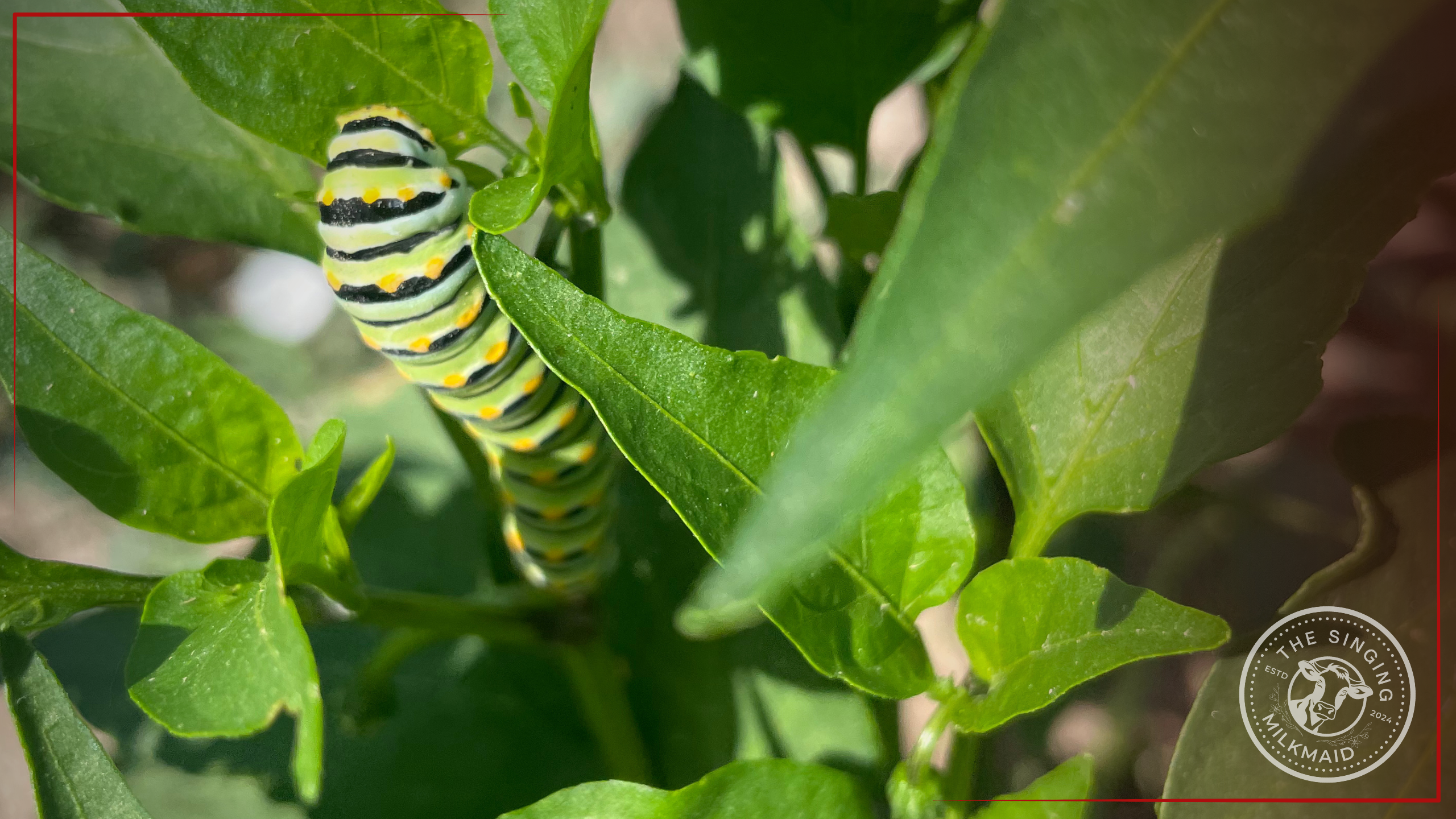

I have little clips of memories of various family members in their gardens. We lived close to my mom’s family (the Robertsons) and my dad’s family (the Jacksons and Davises). I feel so blessed and lucky to have spent time with many of them because they were, and still are, talented in many ways. Gardening, cooking, and sewing, were three heritage skills that I enjoyed learning about.
One relative who made a big impression on me was my Great-Great Uncle Earl Davis. Uncle Earl was my great-grandmother’s (MawMaw’s) brother and a World War I veteran. He had an enormous garden, likely an acre or two, situated on a slope so he could make the most of a weak well for irrigation. In his later years, I remember visiting him as he hoed weeds in his garden. He would sit on a barrel laid on its side and use his cane to help propel the barrel down the row. He had arthritis, and his knees hurt him, but that did not keep him away from his garden. Uncle Earl was very generous and shared his garden produce with all the neighbors.
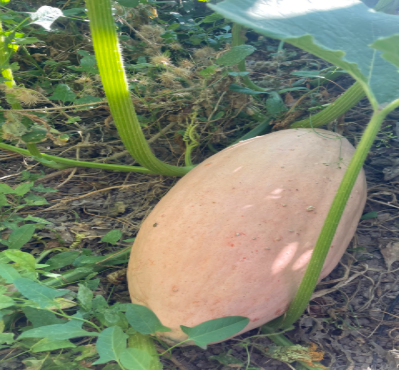
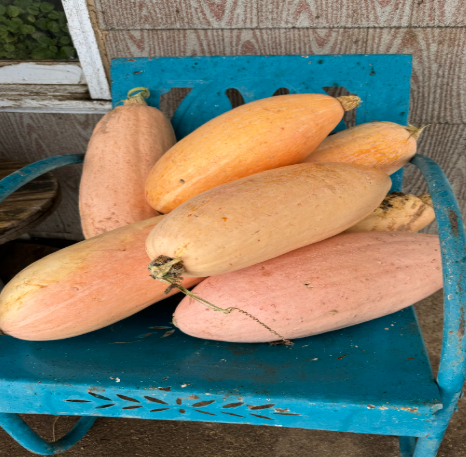
Uncle Earl and my great-grandmother, Marie Reagan, were young when their family came to this part of Colorado in the spring of 1916. The story goes that they planted pumpkins and sweet potatoes in every fence post hole they dug as they built fence around their newly acquired property. Apparently, they had a good harvest that year, which was a blessing because there were many mouths to feed. Earl passed on much of his knowledge to his children and other family members. My mother grew up just a few miles from the Davis family and often talked about a certain “banana pumpkin” Uncle Earl grew in his garden. I looked it up and discovered that it is actually a winter squash called Pink Banana Squash. I grew this winter squash last year, and it was prolific, producing an abundance of food. Apparently, it was introduced around 1900 and was commonly used in the gardens of American pioneers and believed to have originated in Peru. I used a trellis instead of mounds to plant this winter squash and it saved so much space because this squash vines extensively (up to 15 feet) and has very large leaves. I used the squash in cakes, pies, and soup. Growing this squash made me feel connected to Uncle Earl in a really special way, like I was carrying on a little piece of his legacy through gardening.
Gardening is a way to connect with our ancestors because it preserves skills that were once essential for survival—not just physical survival, but also emotional and spiritual well-being. The feeling of digging up a pile of carrots or beets or picking a bowl full of cucumbers to turn into dill pickles for the winter is unmatched. The pride of knowing you can provide clean and nutritious food for your family or help a neighbor reduce their grocery bill is deeply satisfying.
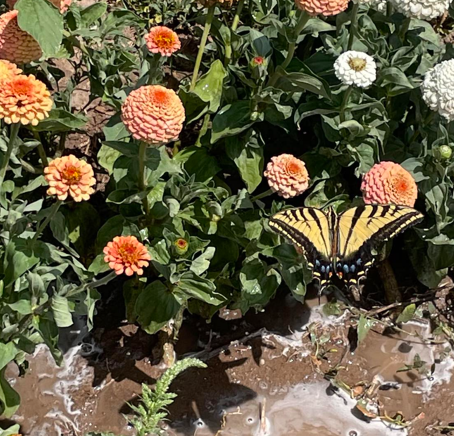
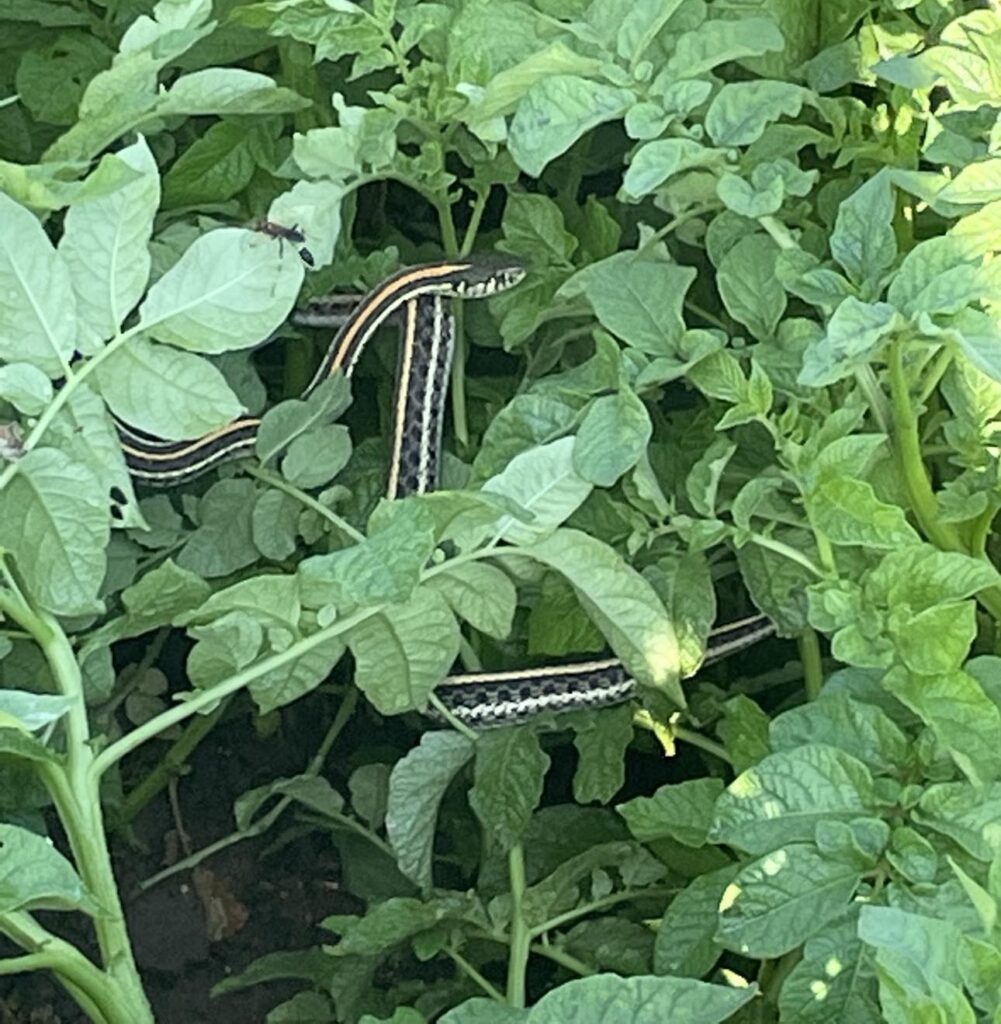
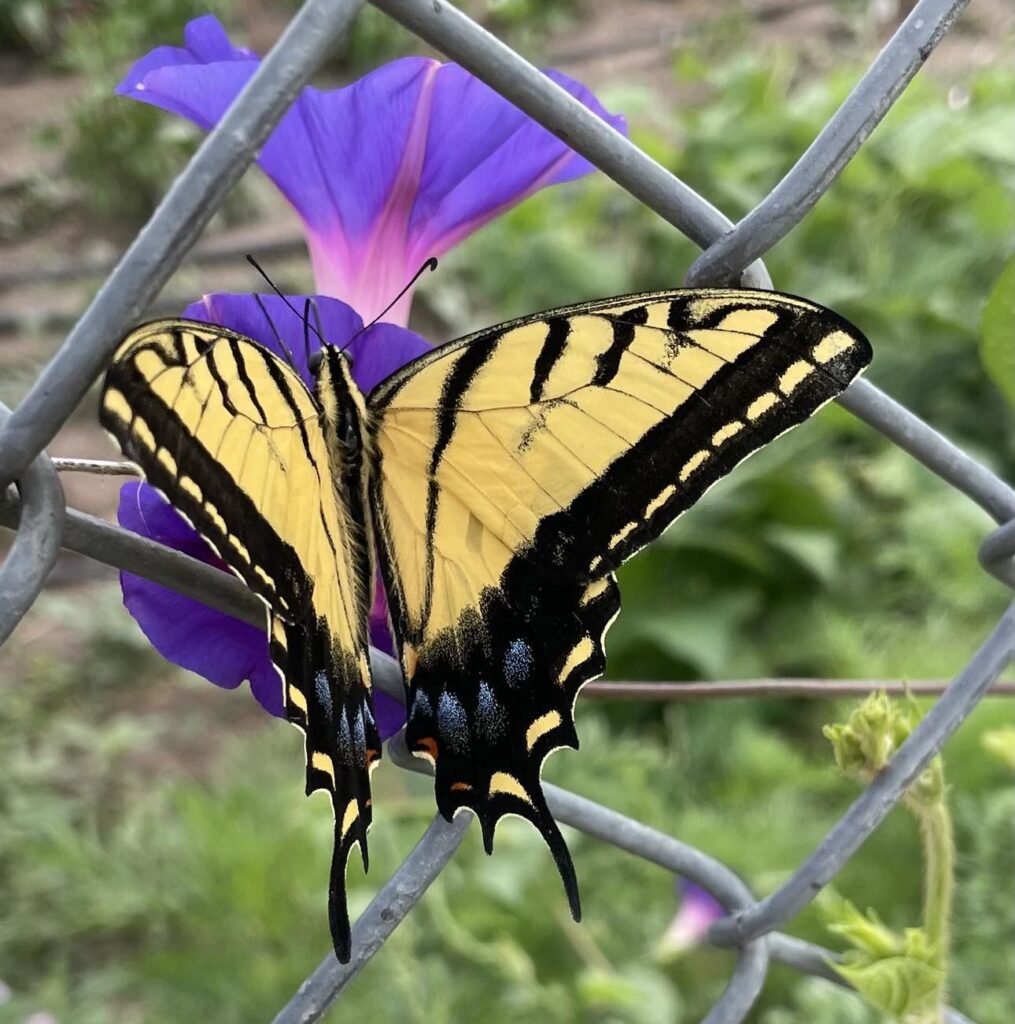
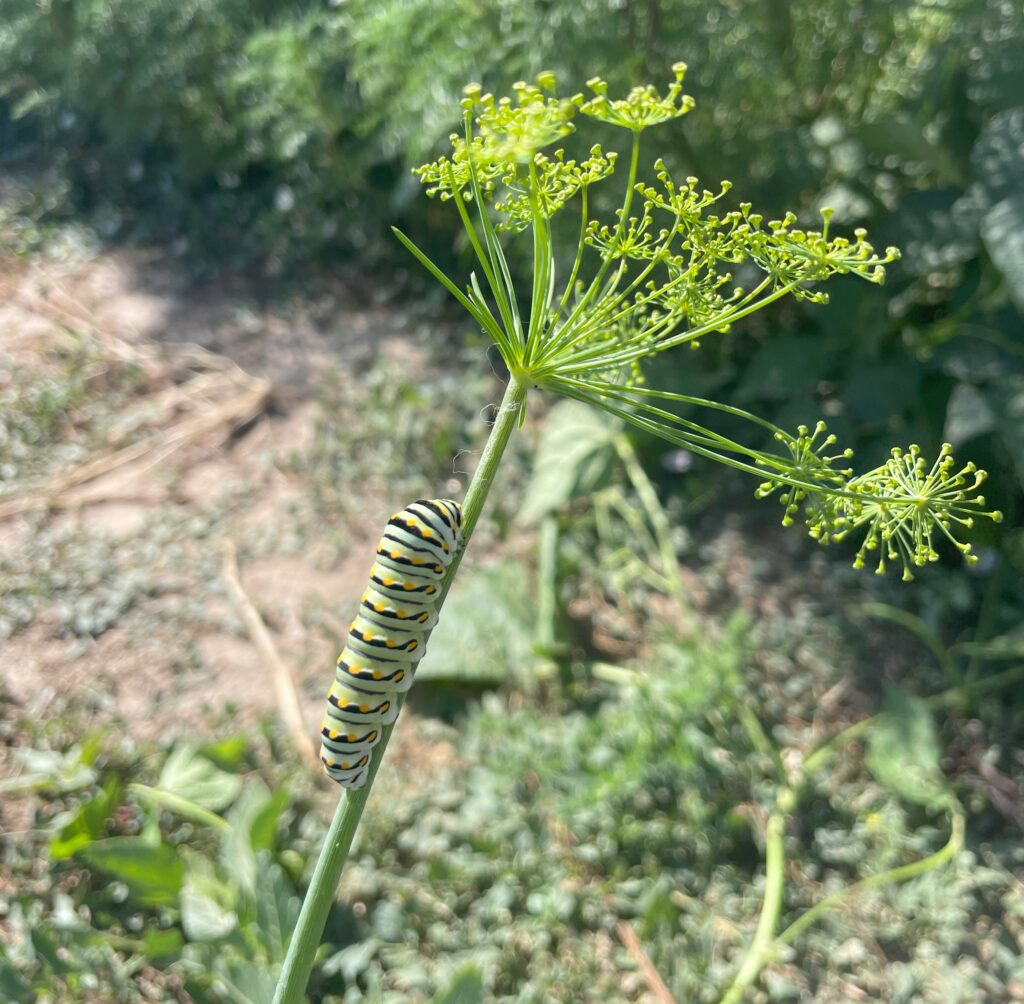
Gardening has helped me understand how intricately connected all things are in this world and has given me a greater appreciation for God’s created order. Even when I bend down to pick a green bean and get scared out of my wits by a water snake wrapped around the plant, I recognize its role in the ecosystem. That water snake eats bugs and probably some of the small frogs that call the garden home. The pollinators are fascinating to watch and listen to as I work. Birds perch on the trellises, eyeing bugs that will soon become their next meal, and they chatter back and forth with one another. The sounds of the garden are like a symphony that calms the soul. Sometimes, at the end of a long, hard summer day, sitting in my garden is all I need to unwind.
Gardening keeps the mind active while also allowing for a slower, more intentional pace. When I’m weeding, I can lose track of time, and before I know it, an hour or two has passed. Pulling weeds is satisfying because the progress is immediately visible.
Did you know that there is a bacteria in the soil that helps fight depression? Mycobacterium vaccae can increase serotonin levels. I often forget or get frustrated wearing gloves, so maybe this is a positive for my mood—though not so much for the skin on my hands! There is also the idea of grounding. The theory of grounding suggests that the natural flow of electrons between the earth and the body reduces free radicals, which can damage our cell function. You can break it down scientifically, but I simply believe that God meant for us to connect with His creation and care for it. It makes sense to me that I would feel better when interacting with the ecosystems He designed.
In the end, gardening is more than just planting and harvesting; it is a way of life that connects us to the past, nurtures the present, and prepares us for the future. It teaches patience, resilience, and gratitude while providing nourishment for both body and soul. Whether it’s through the wisdom passed down from family, the simple joy of watching things grow, or the quiet moments of reflection among the plants, the rewards of gardening continue long after the harvest.
Great piece! Enjoyed it
Thank you!